The Importance and Benefits of Exercise in a Healthy Lifestyle
Exercise is a vital component of a healthy lifestyle, working synergistically with good nutrition and adequate sleep to create a foundation for overall well-being. It's not just about looking good; it's about optimizing every system in your body and mind, equipping you to live a more vibrant, resilient, and fulfilling life.
The Importance of Exercise
In our increasingly sedentary world, regular physical activity has become more important than ever. Our bodies are designed for movement, and when we fail to move them adequately, various systems begin to underperform or even break down. Exercise ensures that your body's "machinery" stays well-oiled, efficient, and robust. It's a proactive step in health management, significantly reducing your risk of numerous chronic conditions and enhancing your daily quality of life.
Key Benefits of Regular Exercise
1. Boosts Cardiovascular Health
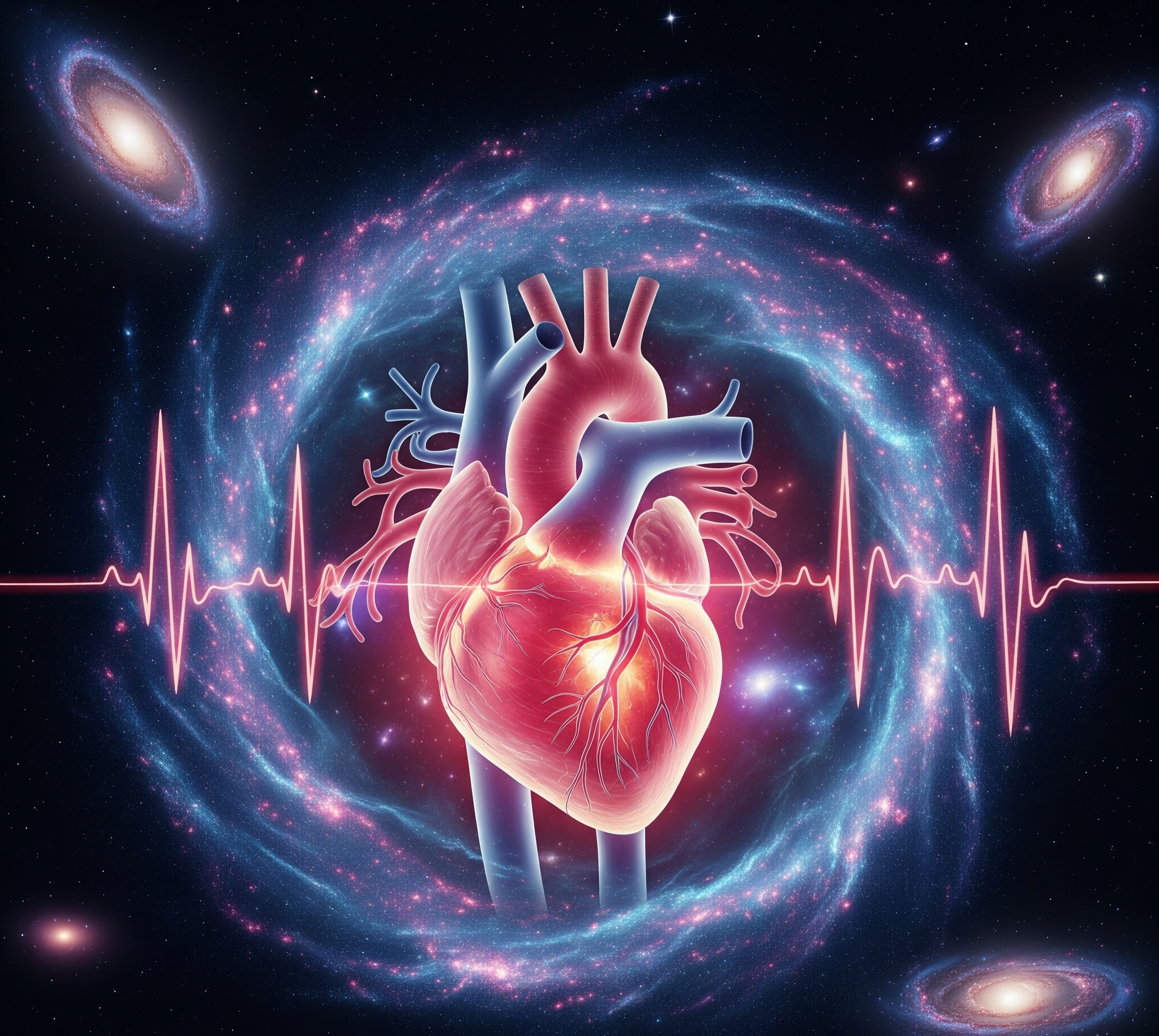
- Strengthens the Heart: Exercise, especially aerobic activity, makes your heart a more efficient pump. It can pump more blood with each beat, reducing your resting heart rate and the strain on your cardiovascular system.
- Improves Blood Pressure and Cholesterol: Regular exercise helps lower high blood pressure and can improve cholesterol levels by increasing "good" high-density lipoprotein (HDL) cholesterol and decreasing "bad" low-density lipoprotein (LDL) cholesterol and triglycerides.
- Reduces Disease Risk: It significantly lowers your risk of heart disease, stroke, and other cardiovascular conditions. Studies show that getting at least 150 minutes a week of moderate physical activity can significantly reduce your risk for these diseases.
2. Enhances Metabolic Health and Weight Management
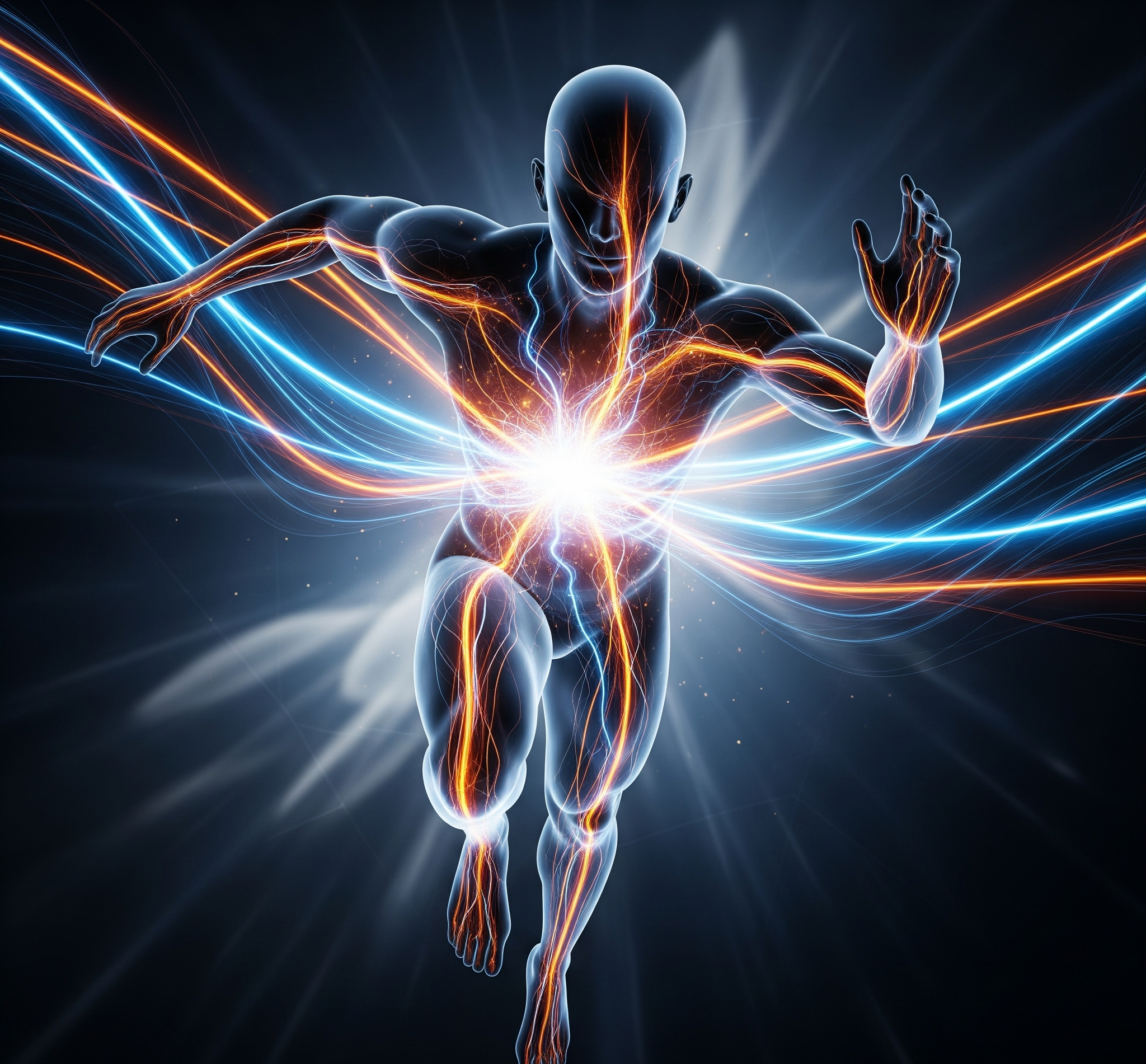
- Blood Sugar Control: Exercise improves insulin sensitivity, helping your cells absorb glucose from the blood more efficiently. This is crucial for preventing and managing Type 2 Diabetes. Regular physical activity can reduce your risk of developing Type 2 Diabetes by a significant margin.
- Weight Management: Exercise burns calories, helps reduce body fat (especially visceral fat), and builds muscle mass, which increases your resting metabolism. This makes it easier to achieve and maintain a healthy weight. Both eating patterns and physical activity routines play critical roles in weight management.
3. Strengthens Bones and Muscles
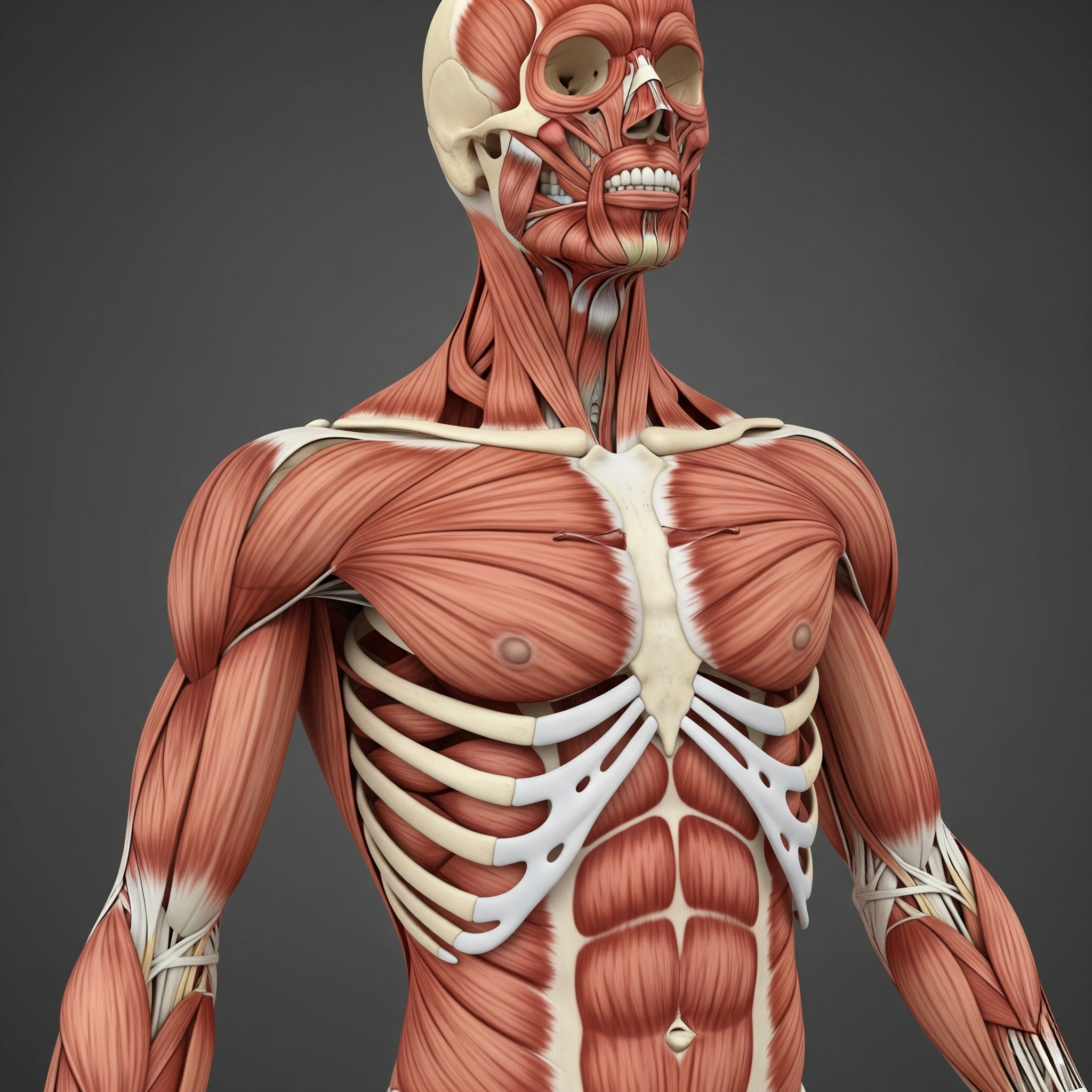
- Bone Density: Weight-bearing exercises (like walking, running, dancing) and resistance training (like lifting weights) put stress on your bones, stimulating them to rebuild and become denser. This is vital for preventing osteoporosis and reducing the risk of fractures, especially as you age.
- Muscle Strength and Endurance: Strength training builds and maintains muscle mass, which is essential for daily activities, improving balance, and protecting joints. As you age, muscle strengthening becomes increasingly important to counteract age-related muscle loss.
- Joint Health: Regular movement lubricates joints, improves flexibility, and can help reduce pain and improve function for conditions like arthritis.
4. Improves Mental and Emotional Well-being

- Mood Boost: Exercise releases endorphins, often called "feel-good" hormones, which can reduce feelings of stress, anxiety, and depression. It acts as a natural mood lifter.
- Stress Reduction: Physical activity helps lower levels of stress hormones like cortisol and adrenaline, promoting relaxation and better coping mechanisms for daily stressors.
- Cognitive Function: Regular exercise, particularly aerobic, can sharpen your thinking, learning, and judgment skills. It improves blood flow to the brain and can reduce the risk of age-related cognitive decline, including dementia.
- Better Sleep: Physically active individuals often report better sleep quality and duration, which in turn enhances mood and cognitive function.
- Self-Esteem and Confidence: Achieving fitness goals and feeling stronger can significantly boost self-esteem and give you a more positive outlook on life.
5. Boosts the Immune System
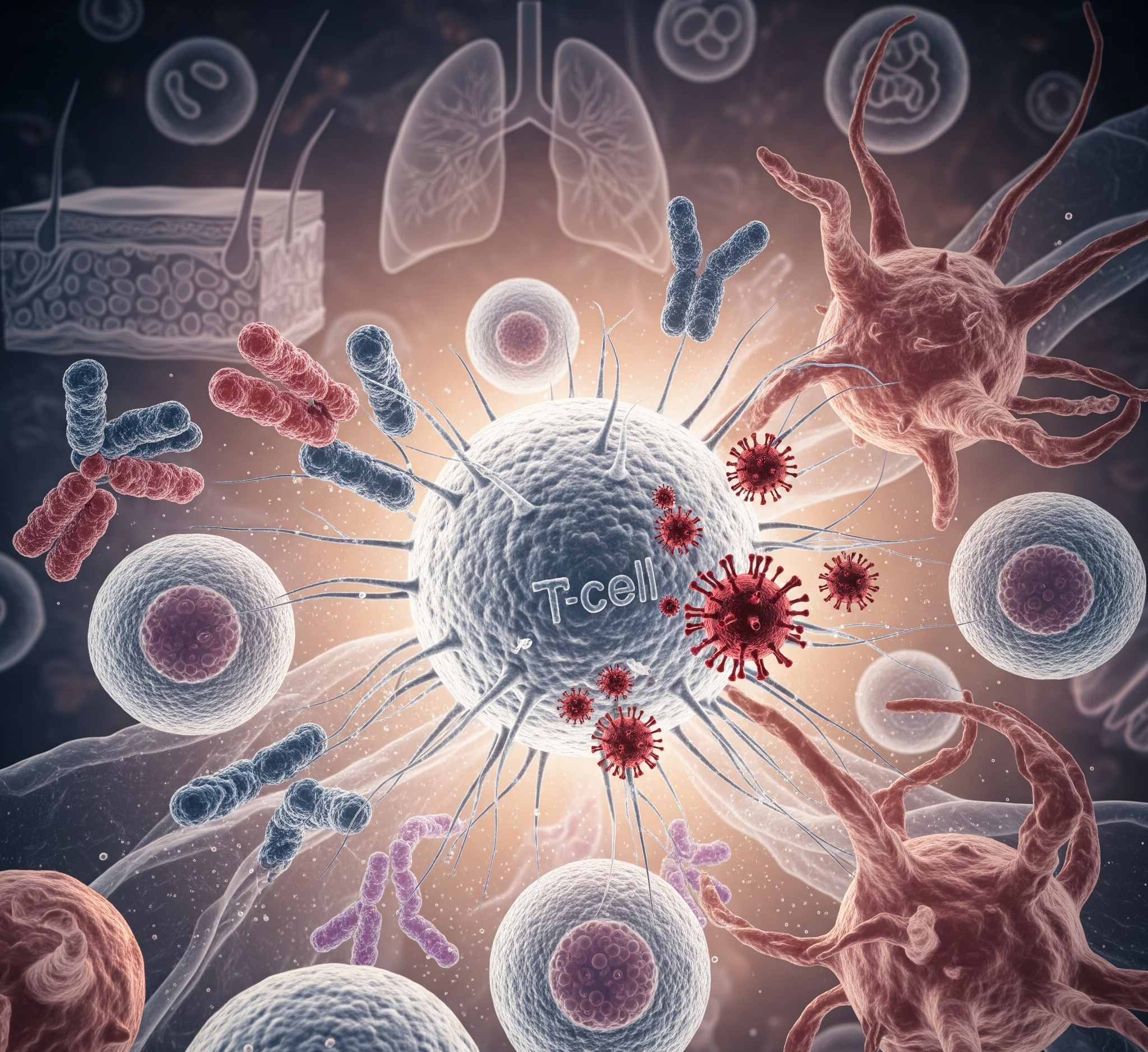
- Fights Illness: Moderate, regular exercise can strengthen your immune system by increasing the circulation of white blood cells and antibodies, which are the body's defenders against disease. This may help your body fight off common colds, flu, and other infections more effectively.
- Reduces Inflammation: Exercise can help reduce chronic inflammation, a factor in many chronic diseases.
6. Increases Longevity and Quality of Life
- Increased Lifespan: Research consistently shows that physically active people tend to live longer than those who are inactive. Even small increases in daily physical activity can significantly reduce the risk of premature death from all causes.
- Functional Independence: Stronger muscles and bones, improved balance, and better cardiovascular health mean you can perform daily activities with greater ease and maintain your independence as you age.
In essence, exercise is a powerful tool for self-empowerment. It's an investment that pays dividends across your entire life, allowing you to not just extend your years, but also enrich them with energy, clarity, and vitality.